National Comprehensive Cancer Network® (NCCN®) recommendations for biopsy, molecular profiling, and treatment for high-grade glioma1,2
Recommendations for pediatric (≤21 years) and adult (>21 years) patients

The NCCN provides guidance for H3 K27M–mutant diffuse midline glioma (DMG), from diagnosis to treatment1,2
The NCCN is an alliance of leading cancer centers that creates evidence-based cancer care guidelines and resources to support patients, clinicians, and healthcare decision-makers.
If high-grade glioma is suspected with imaging, the NCCN recommends biopsy and molecular profiling for H3 K27M to unlock treatment options like dordaviprone.1,2

BIOPSY
The NCCN recommends biopsy for patients with imaging suggestive of high-grade glioma, including when surgical resection is not possible.1,2
If direct tissue sampling is not feasible for adult patients, cerebrospinal fluid (CSF)-derived tumor DNA (tDNA) testing may help identify clinically relevant molecular markers, such as H3 K27 alterations, that can inform diagnostic and treatment decisions.2

MOLECULAR PROFILING
The NCCN recommends molecular profiling to accurately characterize DMG and identify mutations that impact prognosis and treatment plans.1,2
H3 K27M is the most common histone mutation in DMG, and the NCCN recommends screening for H3 K27M alterations in patients with this cancer.1,2
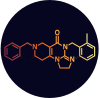
DORDAVIPRONE (MODEYSO)
The NCCN recommends dordaviprone as a treatment option for pediatric patients (≤21 years) and useful in certain circumstances for adult patients (>21 years) with recurrent or progressive H3 K27M–mutant DMG.1,2,*
Recommendations are NCCN Category 2A and based upon lower-level evidence. There is uniform NCCN consensus (≥85% support of the panel) that the intervention is appropriate.1,2
Molecular profiling complements histologic analysis to greatly improve diagnostic accuracy, influence treatment selection, and improve clinical decision-making.1,2
DNA, deoxyribonucleic acid; H3, histone 3; K, lysine; M, methionine.
*The FDA approval is based on adult patient data and includes very limited efficacy data in pediatric patients.1
References: 1. Referenced with permission from the NCCN Clinical Practice Guidelines in Oncology (NCCN Guidelines®) for Pediatric Central Nervous System Cancers V.1.2026. © National Comprehensive Cancer Network, Inc. 2025. All rights reserved. Accessed July 24, 2026. To view the most recent and complete version of the guideline, go online to NCCN.org. NCCN makes no warranties of any kind whatsoever regarding their content, use or application and disclaims any responsibility for their application or use in any way. 2. Referenced with permission from the NCCN Clinical Practice Guidelines in Oncology (NCCN Guidelines®) for Central Nervous System Cancers V.3.2026. © National Comprehensive Cancer Network, Inc. 2026. All rights reserved. Accessed August 28, 2026. To view the most recent and complete version of the guideline, go online to NCCN.org. NCCN makes no warranties of any kind whatsoever regarding their content, use or application and disclaims any responsibility for their application or use in any way.